
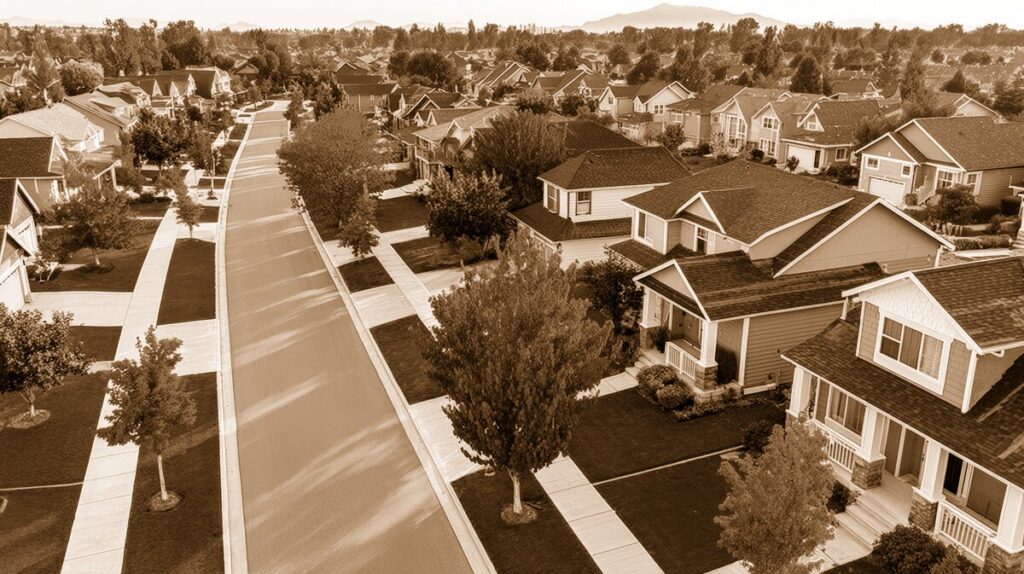
Nestled in the heart of Southwest Arlington, the Oak Creek neighborhood has quietly built a legacy defined by resilience, community, and natural beauty. For longtime residents and newcomers alike, Oak Creek represents more than just a collection of homes; it’s a living testament to the story of Arlington’s westward growth, grounded in lush greenbelts and a strong sense of neighborhood pride. Whether you’re exploring shadowed trails in Bob Cooke Park, admiring well-tended front lawns along Oak Creek Drive, or chatting with neighbors at Ditto Elementary, you’ll quickly sense the deep roots and welcoming spirit that Oak Creek has cultivated over decades.
Origins: From Farmland to Flourishing Community
Long before Oak Creek’s winding streets were shaded by mature trees, this corner of Arlington was home to wide, open prairie land. In the late 1960s and early 1970s, as Arlington’s population swelled thanks to the nearby GM assembly plant and University of Texas at Arlington, developers saw opportunity in these rolling pastures west of Bowen Road. Oak Creek was envisioned as a peaceful, middle-class enclave set amidst nature — offering space for families, access to good schools, and easy commutes to Fort Worth and Dallas.
How Oak Creek Got Its Name
The story behind the Oak Creek name is as charming as it is fitting. Residents and local lore agree: the neighborhood’s founders drew inspiration from the twin features that define the landscape — stately oaks, some of which are estimated to be over a century old, and a gentle creek that winds its way eastward toward Lynn Creek and Village Creek. Early marketing materials for Oak Creek, circulated in the mid-1970s, proudly touted “tree-lined avenues and peaceful streams,” an identity the community still wears proudly today.
Streets like Oak Creek Drive, Shady Valley Drive, and Timberview Lane all underscore the neighborhood’s devotion to blending suburban comfort with natural beauty.
Key Historical Milestones
Oak Creek’s history is marked by a series of milestones that have shaped its character:
- 1974-1981: The bulk of new homes are completed, ranging from classic ranch styles to two-story colonials. The neighborhood’s architectural diversity continues to be a source of pride.
- 1983: Bob Cooke Park is dedicated, named for a beloved Arlington Parks Department employee. The park remains a focal point for recreation and community gatherings, stretching across 47 acres with trails that follow the original creek beds.
- 1990s: Oak Creek Neighborhood Association is formed, helping to organize neighborhood watch patrols, annual block parties, and beautification days.
- 2010s-Present: Emphasis on property values and school involvement, especially at local mainstay, Ditto Elementary, reflecting a newer generation’s commitment to family and education.
Landmarks That Tell a Story
No tour of Oak Creek’s heritage is complete without visiting its beloved landmarks:
- Bob Cooke Park: With its native trees, walking trails, ball fields, and playground, this park feels like the neighborhood’s “backyard.” The creek itself meanders peacefully through the park, providing a habitat for ducks and turtles and a serene escape for residents.
- Ditto Elementary (3001 Quail Lane): Opened in 1978, Ditto has earned accolades for academic excellence and its vibrant PTA — becoming a true anchor for local families.
- The Oak Creek Greenbelt: Running parallel to Oak Creek Drive, this stretch of preserved land highlights the founders’ vision of blending housing with nature. The greenbelt still hosts informal sports games, dog walkers, and children’s laughter on sunny afternoons.
- Original Ranch Homes: Along streets like Oak Creek Circle and Lewis Lane, you’ll find classic 1970s ranch-style homes, many lovingly maintained and renovated with respect for their retro charm.
A Changing Yet Close-Knit Community
Over the decades, Oak Creek has gracefully adapted to the changing rhythms of Arlington. With each generation, new chapters have opened:
- As retirees downsized in the late ’90s, young families moved in, drawn by affordable homes and top-rated schools.
- Neighbors founded the Oak Creek Book Club and annual Halloween parades, enhancing the sense of connection.
- Community “give-back” drives, from food pantries to school supply collections, echo Oak Creek’s proud tradition of volunteerism.
Today, you’ll find a vibrant mix of backgrounds among residents, from original homeowners to young professionals. The towering oaks have only grown grander, and the creek — sometimes a trickle, other times a rushing stream after spring rains — still shapes daily life.
The Heart of Oak Creek: Stories from Residents
What truly sets Oak Creek apart, say residents, are the little connections made every day:
- Neighbors who look after each other’s homes when vacation calls.
- The familiar faces at the Bob Cooke Park playground on Saturday mornings.
- Families walking pets under a canopy of oaks, stopping to swap recipes and news.
One longtime resident, Mrs. Linda Garcia, reflects: “I moved here in 1978 right after the first phase was finished. The neighborhood has seen young couples become grandparents and kids who now send their own children to Ditto. Oak Creek grows and changes, but the heart remains the same.”
Conclusion: A Neighborhood That Endures
Oak Creek’s lasting appeal lies in its blend of nostalgia and vibrancy — a place where history runs deep but the future always looks bright. Whether you’re new to Arlington or generations deep, Oak Creek invites you to savor its heritage, explore its green spaces, and become a part of its ongoing story. As the neighborhood’s motto goes, “Strong roots, growing together.”